

How you have seen or heard of a show on Netflix called “Is It Cake?” If you have, then you know the premise. On the show, bakers will make a cake and decorate it to look like a household object. Then a panel of judges has to figure out which of several items (usually about four different items) is cake. I watched one episode on YouTube, and they had four suitcases, and the panel of three celebrity judges did not guess the right item, which, if you think about it, is incredible—that someone could make a cake that looks like a suitcase, and others couldn’t tell the difference. The show is a sweet concept and a celebration of creativity.

But in real life, when things are made to look like they’re real but they’re fake, we call those counterfeits. And counterfeits are a really big problem in our world. For example, counterfeit medicine may not have the active ingredient that it’s supposed to have, and it may contain harmful ingredients, such as fentanyl. CBC Marketplace ordered a bunch of personal products online—health and beauty items like shampoo and so on—and they found a couple of examples of makeup that was counterfeit. Not only was the makeup fake, it also contained higher than recommended levels of lead and mercury, so you don’t want to be putting that on your face. A few years ago, Toyota was trying to contact a bunch of their customers in Australia who owned Toyota vehicles and had their airbags replaced because there was a supplier who had been selling counterfeit airbags. And I think I can safely speak everyone when I say that none of us wants to be flying in a plane that has any counterfeit parts in it.

As serious as the problem of counterfeit consumer products is, there is a much more serious issue when it comes to counterfeits. Each and every one of us needs to find and adopt for ourselves a life operating system, we need to choose who or what it is that we’re going to follow, what we’re going to pattern our life after. Choosing a life operating system is necessary for us because it helps us to know what kind of person we’re going to be in whatever situation we face. The choice we make regarding the life operating system that we have for our one and only life has huge consequences, not only for our life in this world but for all eternity.
On top of all that, there is a smorgasbord of options from which we could choose our personal life operating system, and they’re not all of equal quality. Some of them have to be counterfeit because some of these options are in conflict with each other. They cannot all be true—some have to be false. So then the question I am inviting you to think about today is: How do we figure out how to choose a life operating system that is both real and reliable? As we consider this question together, we’re going to dig into John chapter 9 and 10. nine and chapter ten. If you have a Bible or a Bible app nearby, I invite you to turn there now.

As we do that, what we find is Jesus is in Jerusalem for something called the Feast of Tabernacles. It’s an annual celebration of celebration of God’s presence and loving care for his people as they journeyed through the wilderness from Egypt to the Promised Land. For Jesus, it was also a time of challenge and even danger because there were religious leaders who were opposed to Jesus, what he was doing and what he was teaching. Chief among those religious leaders who were opposed to Jesus was a group called the Pharisees. One of the main things that the Pharisees taught was that before the Messiah would come, God’s people had to get their life in order and follow the Torah completely. They were like self-appointed religious police, and they had no qualms about going around and telling people what they were doing wrong and how they should straighten up their lives and start living right. And they would condemn people who were obviously sinners on the outside even though, in their hearts, they were yearning for God. At the same time, the Pharisees would praise and adore people who looked like they had it all together on the outside, but on the inside, their souls were hollowed out with pride, greed and self-centeredness. Naturally, they were in conflict with Jesus because they had a different life operating system. Jesus was focused on what’s going on inside a person.
While walking around in Jerusalem, Jesus and his disciples encountered a man who had been blind from birth. His disciples asked him, “Rabbi, who sinned, this man or his parents, that he was born blind?” (John 9:2)
Now with their question, the disciples are representing our natural human way of thinking, and also the way the Pharisees thought as well. Our natural way of thinking tends to be if someone is suffering, they must have done something wrong to deserve it.
But Jesus answers his disciples in this way: “Neither this man nor his parents sinned,” said Jesus, “but this happened so that the works of God might be displayed in him. “As long as it is day, we must do the works of him who sent me. Night is coming, when no one can work. While I am in the world, I am the light of the world.”(John 9:3-5)
Jesus is saying that people can be broken without blame. And he’s also saying that our brokenness gives God an opportunity to do something wonderful in our lives. Jesus is also saying that he has a sense of urgency about his life in this world because he’s only going to be present for a short time.
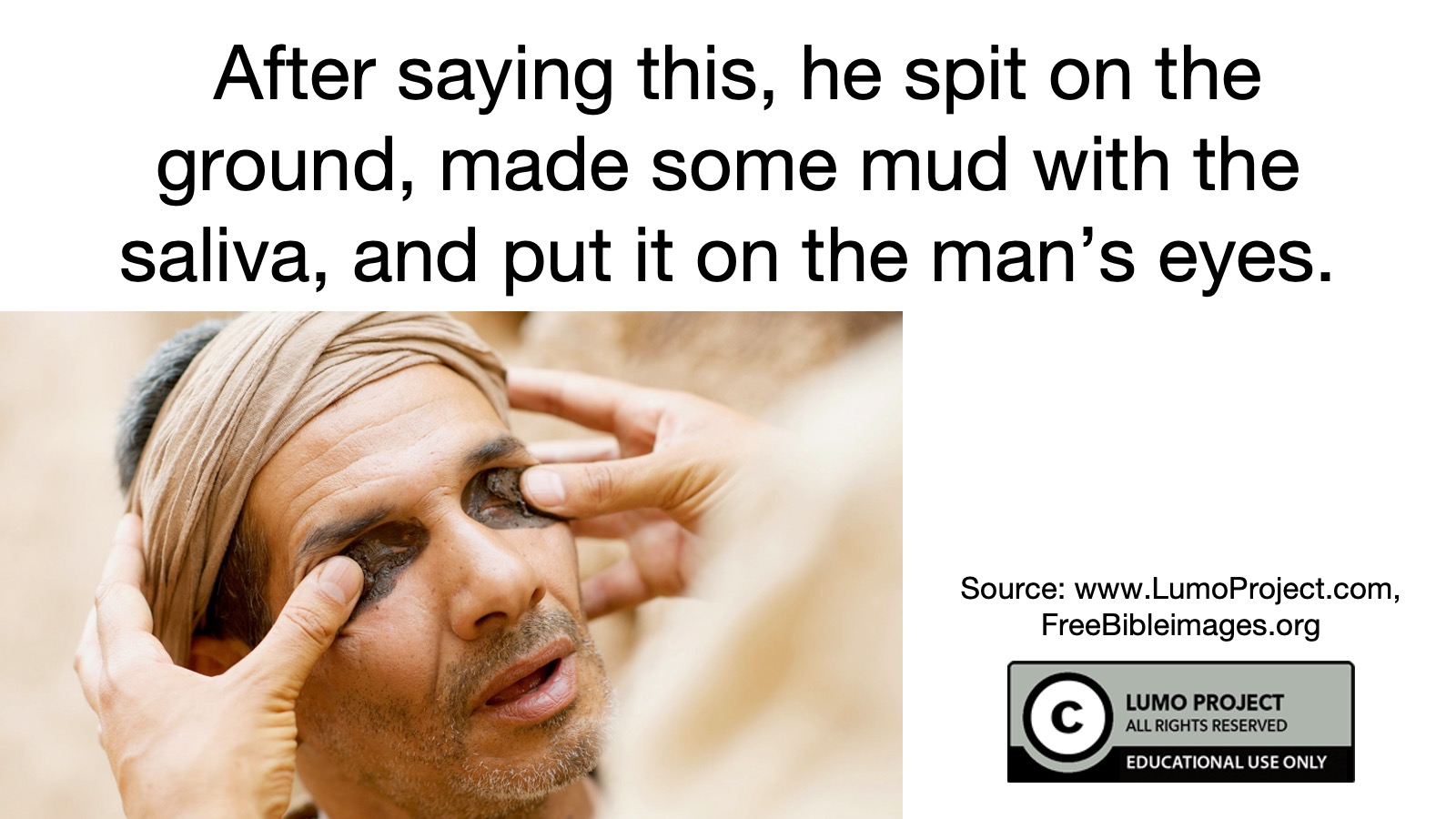
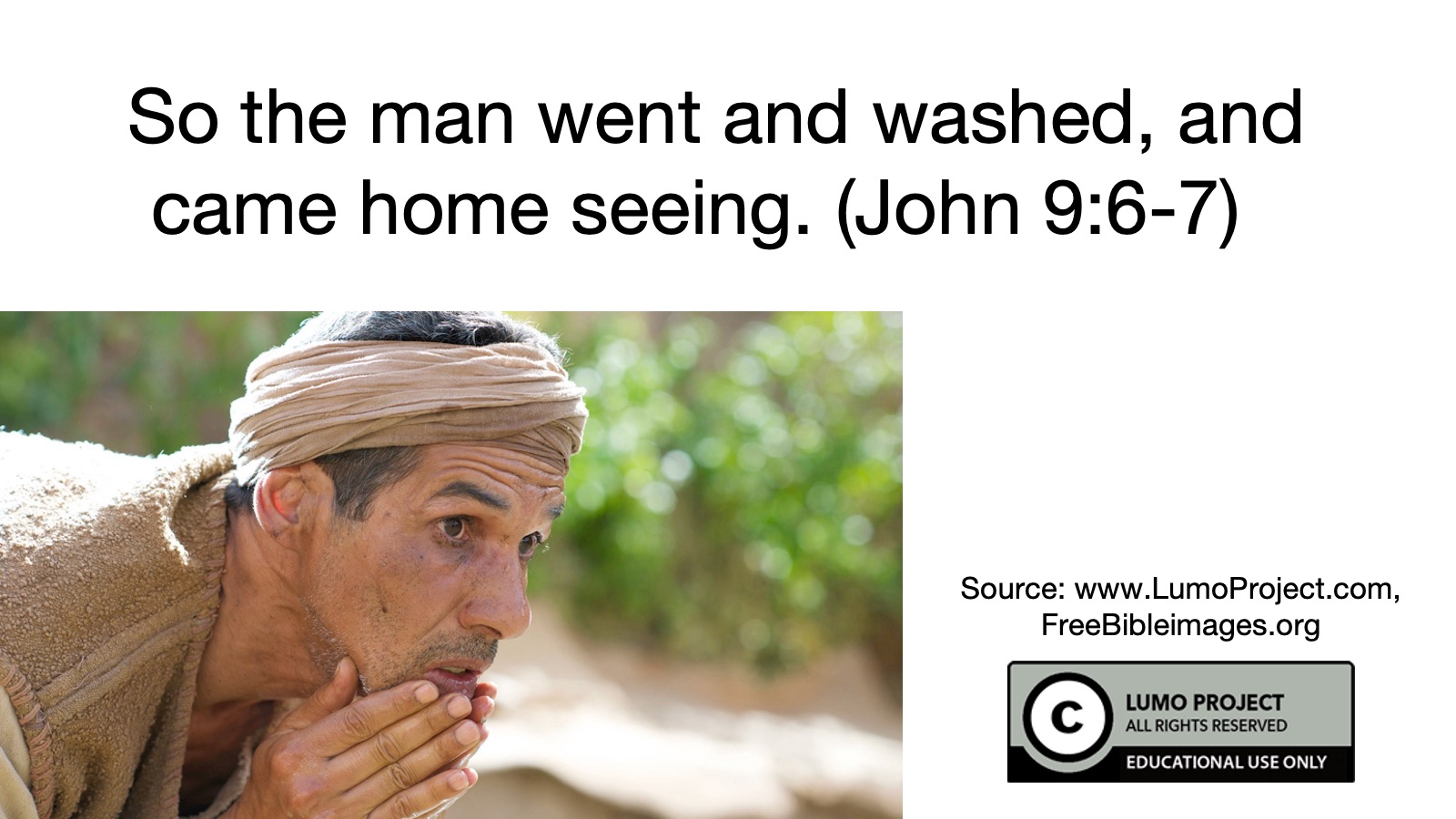
Now watch what Jesus does: After saying this, he spit on the ground, made some mud with the saliva, and put it on the man’s eyes. “Go,” he told him, “wash in the Pool of Siloam” (this word means “Sent”). So the man went and washed, and came home seeing. (John 9:6-7)
Jesus healed a man who had been blind since birth. This is good news, right? You and I might think so, but the Pharisees didn’t. The day of the week on which Jesus healed this man was the Sabbath, and the Pharisees took a hard line on that commandment from God to remember the Sabbath day by keeping it holy, in other words, no work on the Sabbath. Now God made exceptions for that rule. For example, if your donkey fell into a well on the Sabbath, you could pull your donkey out of the well even though it was doing work because you were saving a life.
Jesus had pulled this man out of a well of darkness that he had been in for his entire life and saved his life. Yet the Pharisees still thought that was something that could have been done on another day. So they did an investigation. They interviewed the parents of the man who had been blind since birth to see if he was actually the same person. Next they interviewed the man. The Pharisee’s goal in doing this investigation was to see if there had been a healing that had actually been done, because if it had, then they could proclaim that Jesus was a sinner, nobody should be following him, and he should be condemned for being a false teacher.
Chapter 10 of John’s Gospel is like a commentary on chapter 9, and when we get to chapter 10, Jesus uses a very common illustration from life in that time that people would have easily recognized. Back in that day, there would be a sheep pen built close to a residence. In the evening, shepherds would bring their flocks of sheep into that sheep pen so they could be safe for the night. Several flocks would be brought into the same sheep pen. Each shepherd would have about 100 sheep in his or her flock, and there could be three, four, or five different flocks, all in the same sheep pen.

There would be one person who was designated as the gatekeeper. In the morning, the shepherds would come, and the gatekeeper—who knew who the real shepherds were—let them into the pen through the gate. Only shepherds who came through the gate were true shepherds. If anybody came over the wall, then that person was obviously not a true shepherd. They were a thief intent only on stealing, killing or destroying the sheep.

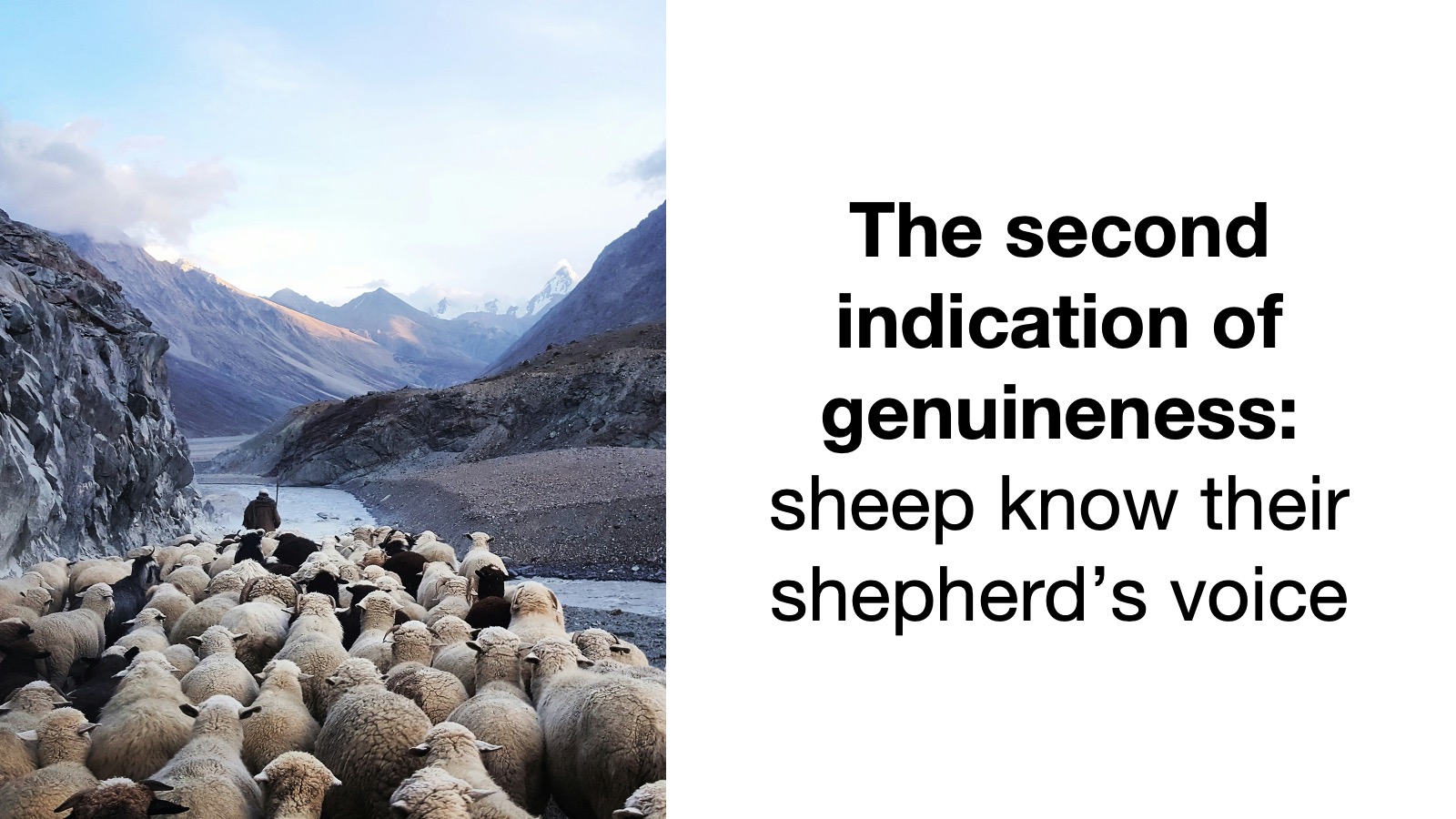
When the true shepherds came into the pen, they would call out to their own sheep. Because the sheep and the shepherd spent all day together, the sheep would recognize the voice of their shepherd. Sometimes the shepherd would even have names for their sheep and they would call out to their sheep by name. The sheep would recognize their own shepherd’s voice and follow them out of the gate. Then the shepherd would lead them into pasture and toward water that the sheep needed.
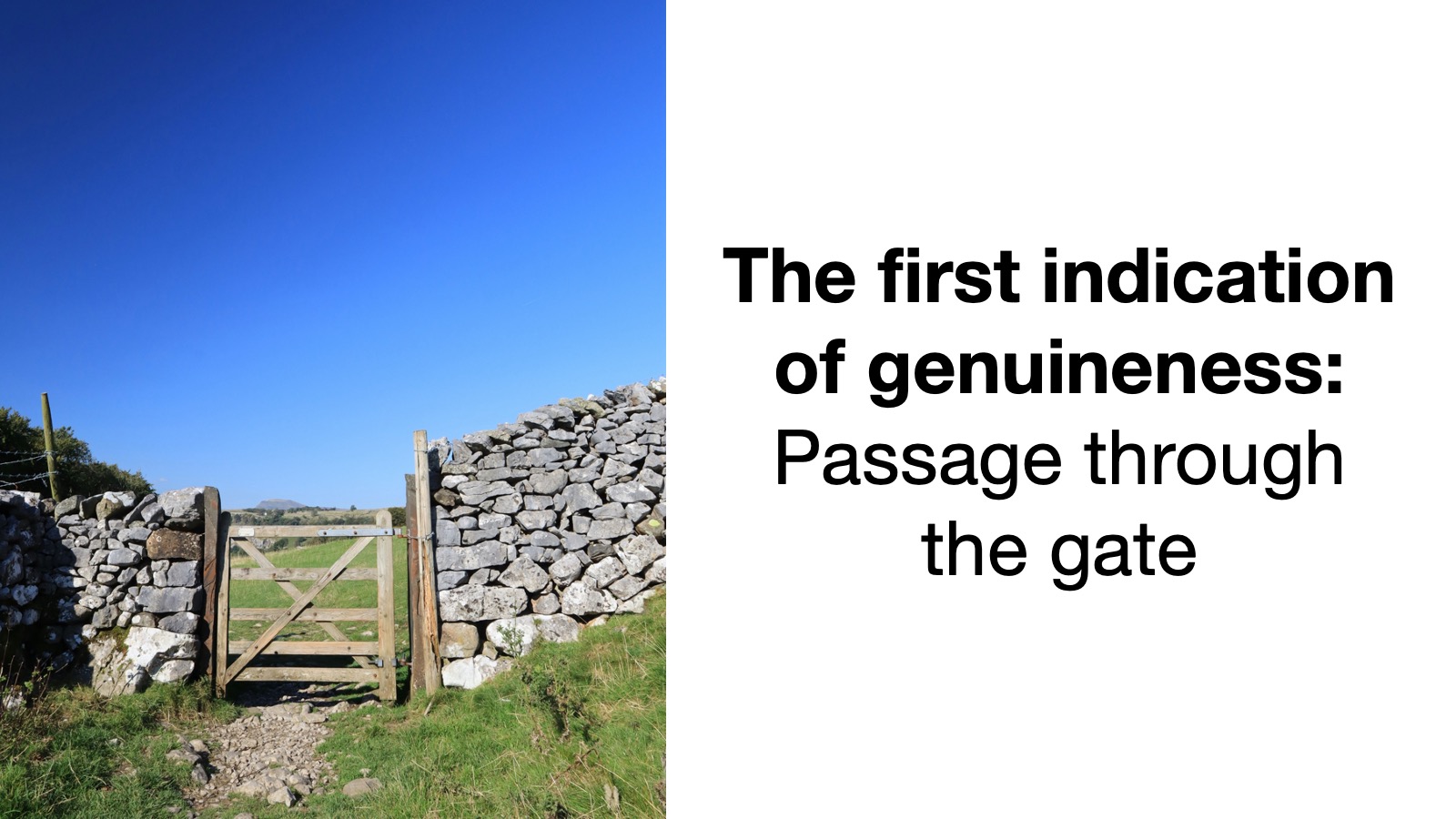
So Jesus is using this illustration to teach some very important principles that we can apply to our lives today, especially as we choose a life operating system, because there are tests of genuineness that we can use to see if a life operating system is real and reliable. The first indication of genuineness is passage through the gate and Jesus says he is the gate. Jesus will make sure that only a true shepherd will come through the gate. Only someone who comes through Jesus to God’s people in Jesus’ name with Jesus’ teaching as his representative is someone you should trust for life operating system resources.
In the same way, thinking of Jesus as the gate, it’s only through Jesus that you can go out and experience the rich, full, abundant life that he wants to give to you.
The second indication of genuineness is that sheep know their shepherds. Let’s go back to the blind man. The Pharisees investigated the healing, and they found that it was genuine. They asked the man who had been healed to denounce Jesus, and he wouldn’t, and the Pharisees excommunicated him. They threw him out of the fellowship of his own people.
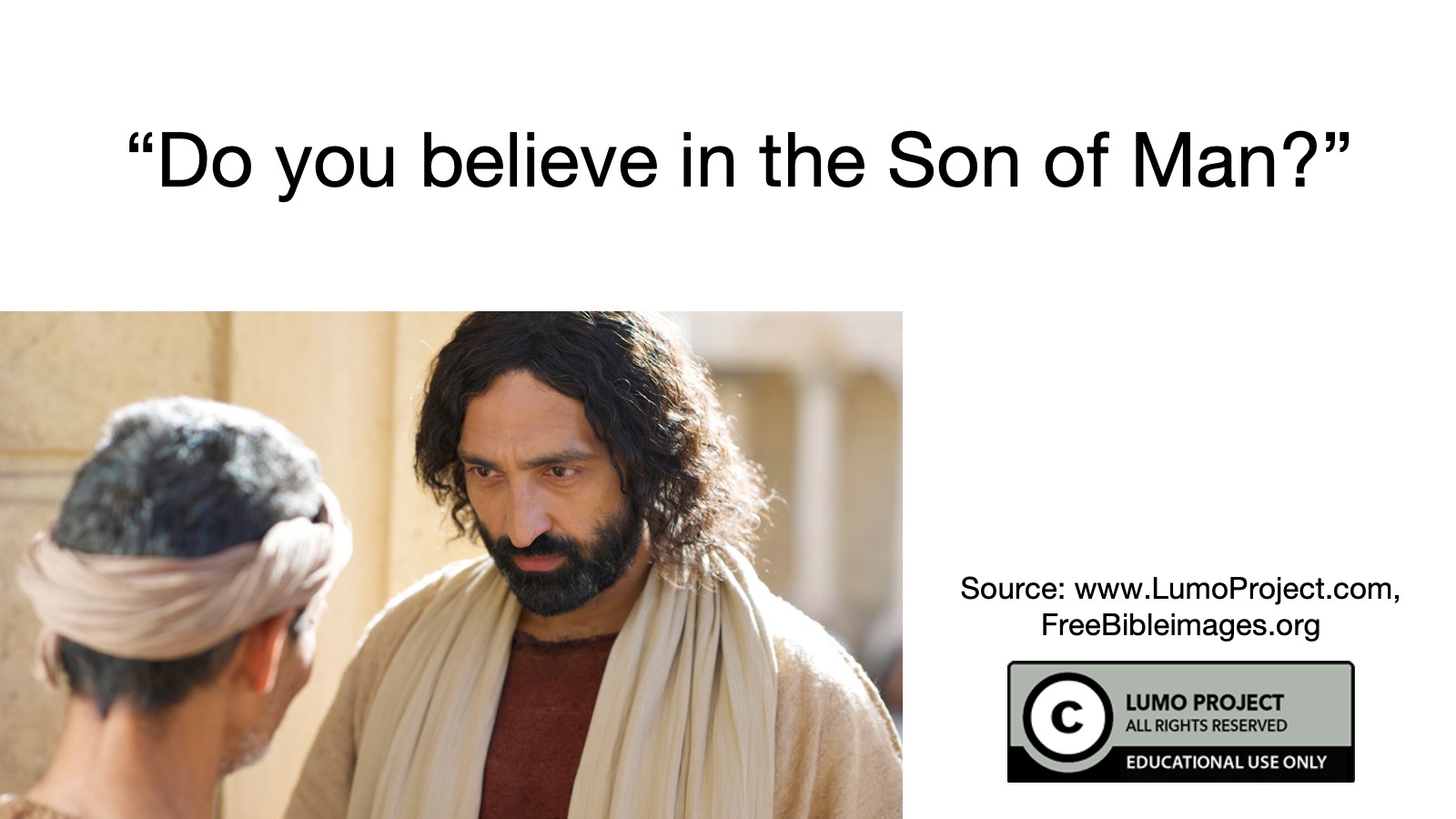
When Jesus heard about this, he went to look for the man. When he found him, Jesus asked him,
“Do you believe in the Son of Man?” (The term “Son of Man” was a nickname that Jesus would use to refer to himself and it hadMessianic connotations.).
“Who is he, sir?” the man asked. “Tell me so that I may believe in him.”
Jesus said, “You have now seen him; in fact, he is the one speaking with you.”
Then the man said, “Lord, I believe,” and he worshiped him. (John 9:35-38)
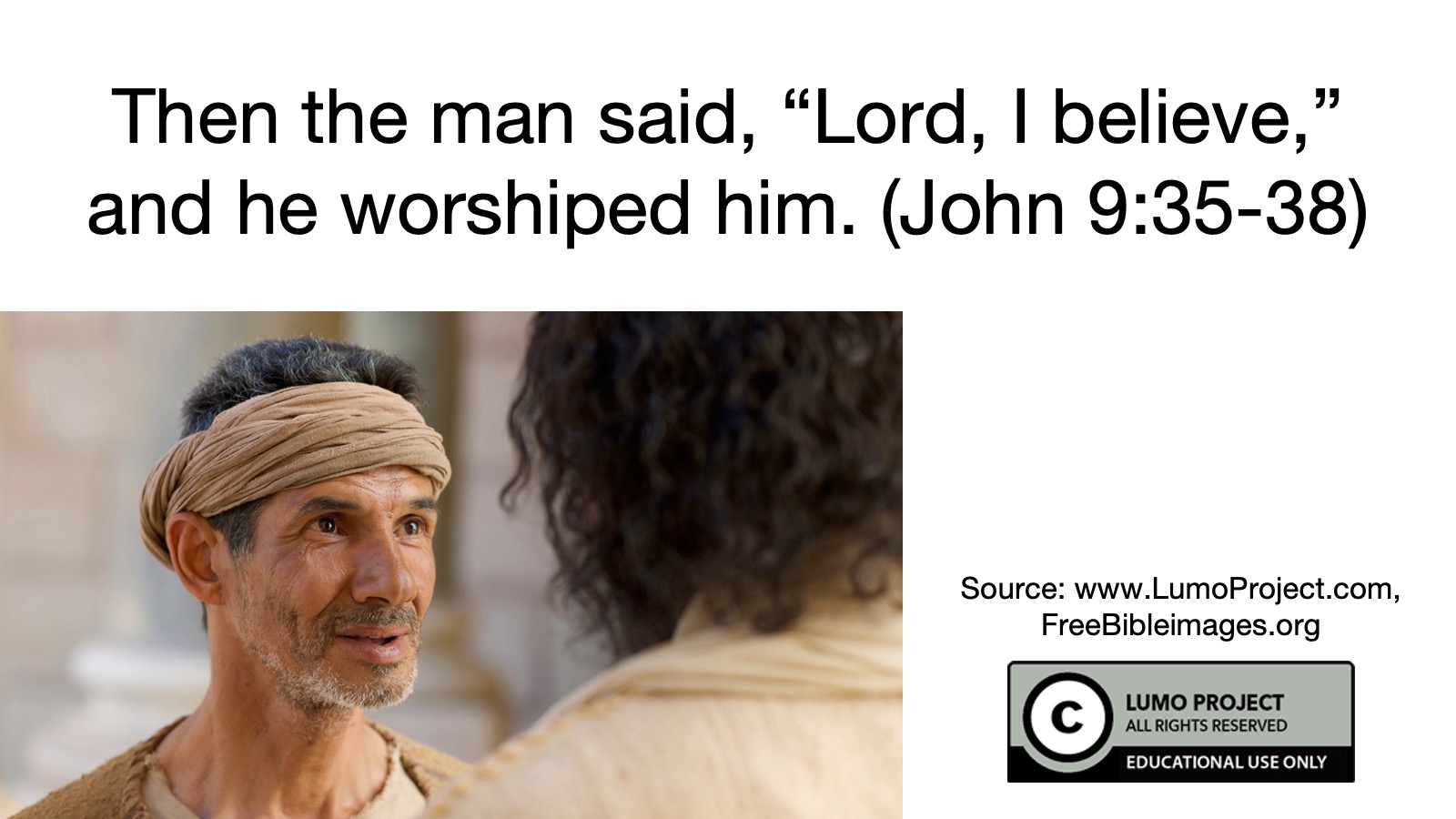
Now think about this for a moment: until this exact moment in time, the man who had formerly been blind had never seen Jesus before. All he heard was his voice when he told him to wash in the pool of Siloam after he put mud on his eyes. And yet, this man, who had been healed, recognized the voice of Jesus, believed in him, and worshiped him just by the sound of his voice.
So what does all of this mean for us? There is only one person who is able to give you the true and reliable life operating system that you need for life, and that one person is Jesus, because only Jesus lived a perfect human life for you. Only Jesus went to the cross and paid the full cost of forgiveness for all your sins for you. Only Jesus rose from the dead to give you a new eternal life with Him, for now and forever.
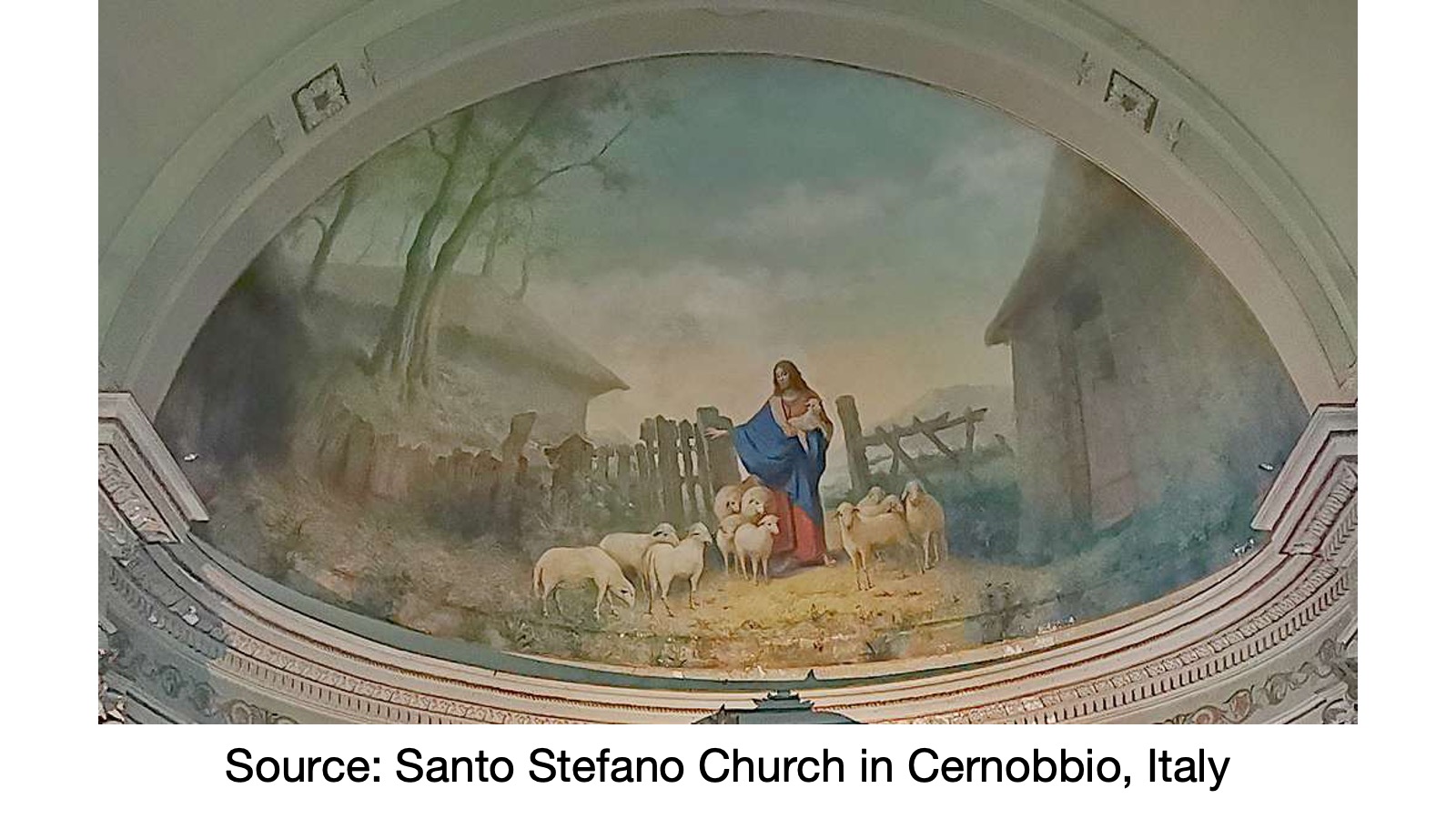
Only Jesus is the Gate that you need. He’s the only one through whom forgiveness and healing can come in to you and through whom you can go out into the rich, full, abundant life that he has for you.
Only Jesus is the Good Shepherd that you need. Among all of the various choices you have in this world, only Jesus is the one who laid down his life for you to give you healing, forgiveness and eternal life with him. And when you have experienced the healing, forgiveness and the life that Jesus has for you, you will then able to recognize the voice of the Good Shepherd who gave you that life.

There is a lot of tumult in the world around us, but there doesn’t need to be tumult in the hearts of God’s people. And now is a time when the world needs followers of Jesus to keep their heads about them, even when all others are losing theirs. How do we do that? By embracing the life operating system that Jesus gives us. What is that life operating system? Simply this: we know that we are saved by grace through faith in Jesus Christ, therefore we live by grace through faith in Jesus Christ. We know that Jesus is our Good Shepherd, and we follow Him. Amen.
(This message was share on January 12, 2025 at Walnut Grove Lutheran Church in Langley BC and St. Luke Lutheran Church in Surrey BC. For more info, please go to wglc.org or sllc.ca.)

 Farewell to Shadowlands
“Jesus is saying that people can be broken without blame. And he’s also saying that our brokenness gives God an opportunity to do something wonderful in our lives.” This is just what I needed, thank you! Jesus is my Good Shepherd and I will follow Him.
LikeLike
You’re welcome! Yippeee!
LikeLiked by 1 person