

So, in ancient times, the Persians invented something called the astrolabe. It seemed to be lost for a while to Western civilization, but it was preserved through ancient Greek civilization and then by the Arabic Muslim culture, first in Baghdad and then in Spain. Eventually, it came to Latin Europe around the 13th century, and it became quite popular. People were writing books about it all over the place. Apparently, Chaucer even wrote a book, or was thinking about writing a book, about the astrolabe.
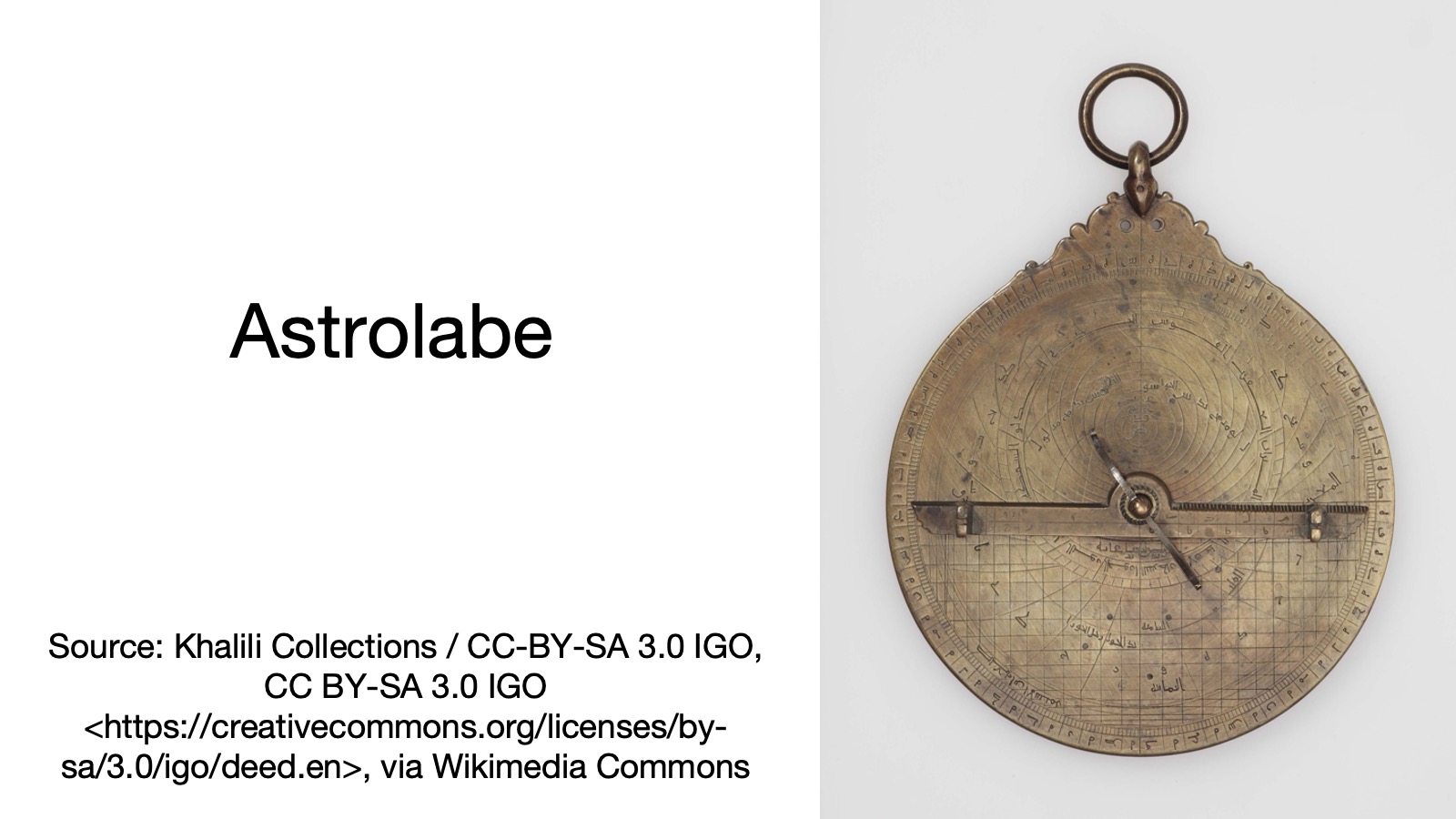
This device is a fascinating piece of technology. It was primarily used by sailors when they were crossing the ocean. They would hold the device, point it toward a star, and determine their latitude. Along with a few calculations, they could estimate their location on the ocean, where there were no landmarks. This device played a significant role in what is called the Age of Discovery, a period when European countries explored and discovered other nations, including North America, where we now live.
Each of us, as we go through life, tends to navigate our journey in a similar way. We rely on what we are most familiar with to guide us—our surroundings, our knowledge, and our experiences. But what happens when those things change, are threatened, or even turn against us? How do we navigate through life then?
To help us consider this question, we will be looking at several chapters from the book of Revelation, starting with chapter eight and hopefully reaching chapter fourteen. If you have a Bible or a Bible app, I invite you to turn there now and follow along.
As chapter eight opens, we see the seventh seal being opened. From last Sunday, we talked about the seven seals. When the seventh seal is opened, there is a period of silence, and we see seven angels preparing for what is to come. These are called the seven angels, and they could be the same seven angels that delivered letters to the seven churches in chapters two and three. This is significant because, in the first part of Revelation, Jesus was the one mediating and sharing the vision with John. From this point forward, it is the angels who reveal the vision. Jesus gave it his stamp of authority, and now the angels carry it forward.
Then we see another angel who comes with a censer full of the prayers of God’s people. In ancient times, and even today, incense is often used in worship as a symbol of prayers rising up to heaven. An Orthodox church worships in this space on several weekdays, and they use incense in their services. This other angel, kind of an eighth angel, offers the prayers before the incense altar in heaven. The prayers rise up before God, and then the angel fills the censer with fire from the altar and hurls it down to earth. This fire symbolizes God’s anger against sin. God is responding to the prayers of His people, who cry out for justice and vindication, by pouring out His judgment upon the earth.

Now, the second vision begins: the seven angels each blow a trumpet, and each time a new scene unfolds. The first four trumpets are similar in nature. Each trumpet signifies events that will occur from Jesus’ ascension to His return at the end of the world. The first trumpet indicates that much of the world’s vegetation will be damaged and destroyed over time. The second trumpet warns of natural disasters impacting the ocean, harming marine life and sailors. This could include volcanic eruptions in the ocean or hurricanes. The third trumpet reveals that a significant portion of the world’s fresh water will become polluted and unfit for human consumption. The fourth trumpet suggests that celestial bodies will be struck, their light diminishing so that less light reaches the earth.
Then, an eagle appears, flying in mid-heaven, calling out, “Woe, woe, woe to the earth.” This marks a transition. The first four trumpets warned of natural disasters, but the last three introduce demonic forces that will bring even greater suffering.
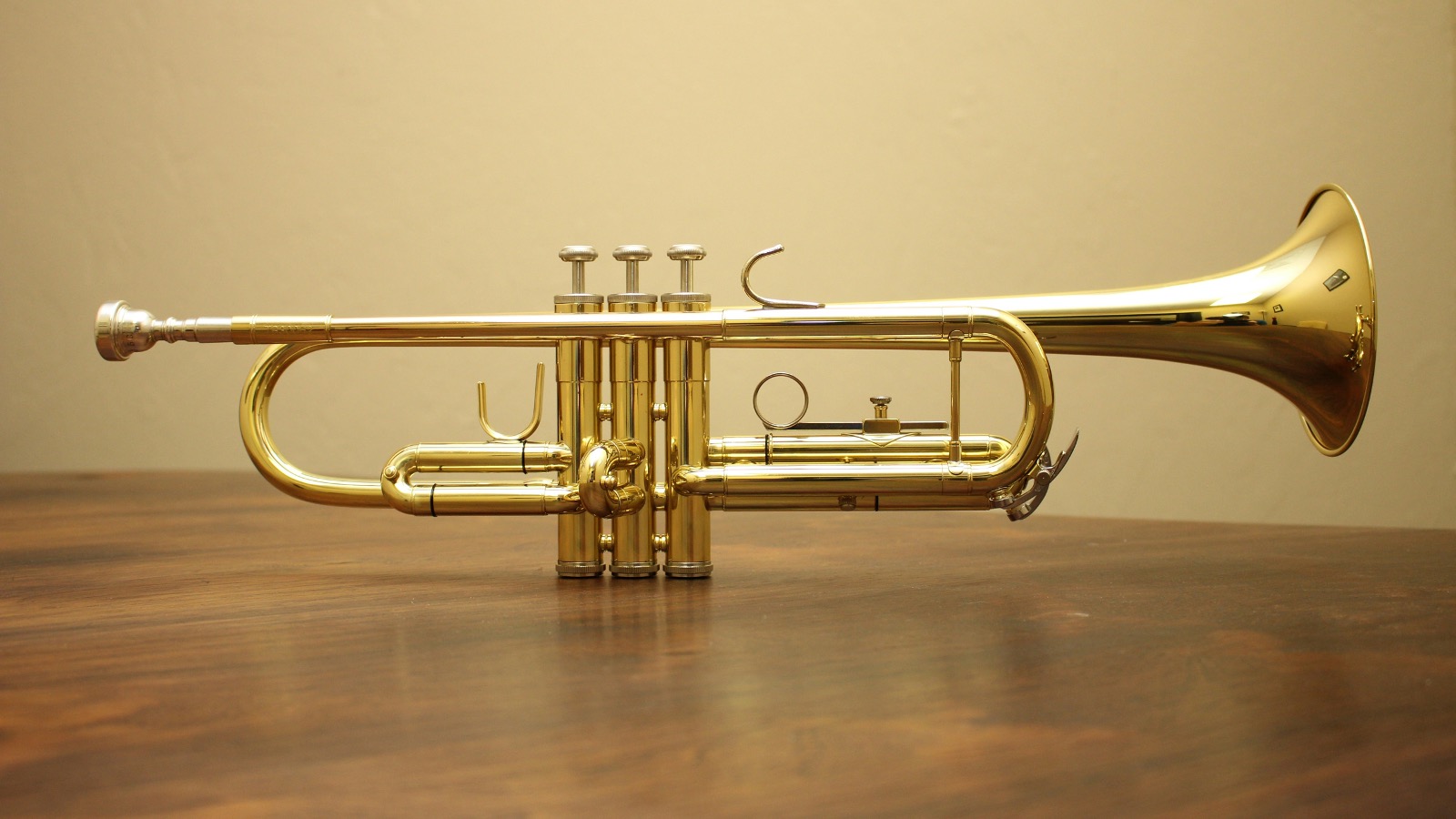
The fifth trumpet sounds, and the devil unlocks hell, releasing demons to torment those who are not sealed with God’s mark. This stage does not affect those who belong to God’s family, only those outside of it. Then, with the sixth trumpet, the voices of God’s people cry out, and four angels of judgment are released. These angels lead a demonic cavalry against humanity, killing a third of the population. However, the remaining two-thirds, though living in terror, refuse to repent of their idolatry. They continue to place something else above God in their lives. The whole purpose of Revelation is to encourage us to repent, turn back to God, and live under His protection.
Then we have two interludes. In chapter ten, a mighty angel commissions John to proclaim God’s message. In chapter eleven, the temple is measured, and two witnesses appear. The holy city, where the temple stands, represents the Christian Church on earth. The temple and incense altar at its center symbolize God’s presence within His church. This chapter shows that the holy city will be trampled—meaning the Christian Church will be persecuted—but because the temple is measured, God will protect the church and enable it to fulfill its mission.
This entire period takes place between Jesus’ ascension and His second coming. We see references to 42 months, three and a half years, and 1,260 days—all referring to the same time frame. The two witnesses symbolize ongoing Christian witness, suffering, and resurrection in faith.
The seventh trumpet sounds, and the end of the world comes. Heaven rejoices over God’s final victory.
Now, we turn to the warfare in heaven and on earth (chapters 12-14). A dragon (Satan) tries to kill a child (Jesus). The woman in this vision is modeled after Mary but represents the Christian Church. When Jesus ascends in victory, Satan and his demons are cast out of heaven. No longer can Satan accuse believers before God. Enraged, he turns his attacks toward the Church, but God protects His people.
The dragon then summons a beast from the sea, symbolizing political powers corrupted by Satan to dominate humanity. Then, a second beast arises from the earth, using deception to lead people astray and inspire worship of the first beast. At the time Revelation was written, John likely saw the Roman Empire as the sea beast, with emperor worship being the work of the earth beast.
The mark of the beast is introduced, something required for engaging in commerce. God’s people do not have this mark, setting them apart. Then, there is the number of the beast: 666. Many theories exist, but John expected his readers to understand its meaning. If God’s number is 777 (perfection), 666 represents a flawed and counterfeit trinity—Satan, the sea beast, and the land beast—always falling short of God’s true nature.
In chapter 14, we see the Lamb and the 144,000, representing the Christian Church. Jesus is leading them into heaven, introducing the final harvest—the end of the world.

So, what does all this mean for us? Navigating life based on the things around us may be common, but it is not the best way. Jesus told us these things will change, be threatened, or turn against us. We need an unchanging reference point—one we can trust and follow.
Nuclear submarines, even with advanced technology, must surface every 90 days to recalibrate their navigation by the North Star. Just as sailors used Polaris for guidance, we need a constant guide in life. Jesus is our North Star. As Hebrews reminds us, “Jesus Christ is the same yesterday, today, and forever.”
So, I leave you with this challenge: stop navigating by the changing things of this world. Make Jesus the North Star of your life. Focus on Him, and let Him guide you. As Hebrews also says, “Let us strip off every weight that slows us down, especially the sin that so easily trips us up. Let us run with endurance the race God has set before us by keeping our eyes on Jesus, the champion who initiates and perfects our faith.” Amen.

 Farewell to Shadowlands